
Canopy Crew Tree Options
Large Canopy Trees
Large canopy trees provide the most benefits for people and the environment. They cool our cities by providing shade, filter air pollutants, sequester carbon, absorb and filter water, and create the most habitat to support local biodiversity. These are also the trees that Cambridge is losing the most on private property. That’s why planting these trees is top priority for Canopy Crew.
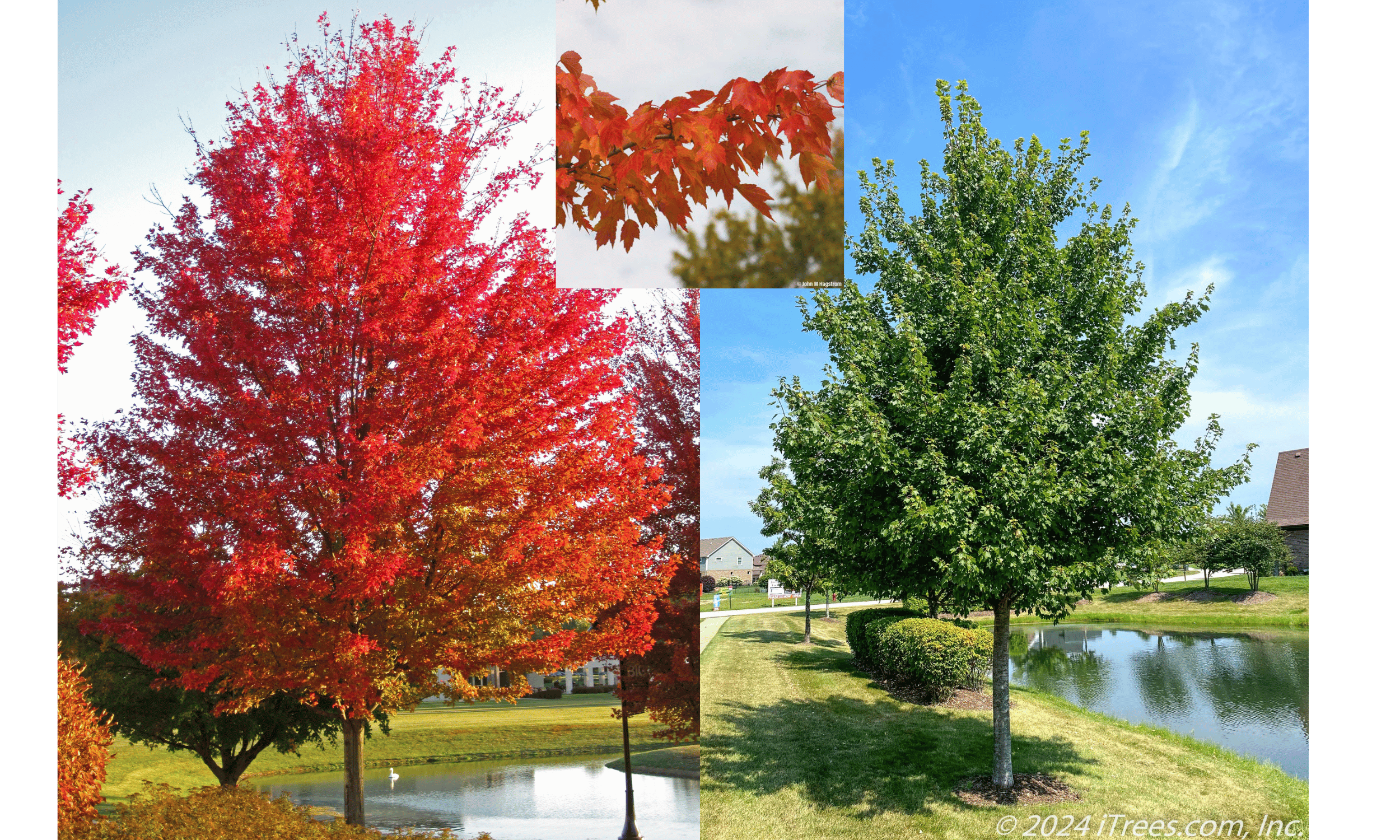
Red Maple
Species: Acer rubrum
Size: 50 ft tall, 40 ft spread
A moderately fast growing, native tree that provides shade, attracts birds, and is resilient to a variety of urban stressors including drought and pests. The red maple turns a brilliant red in the fall, grows well in partial-full light, and has a rounded shape.
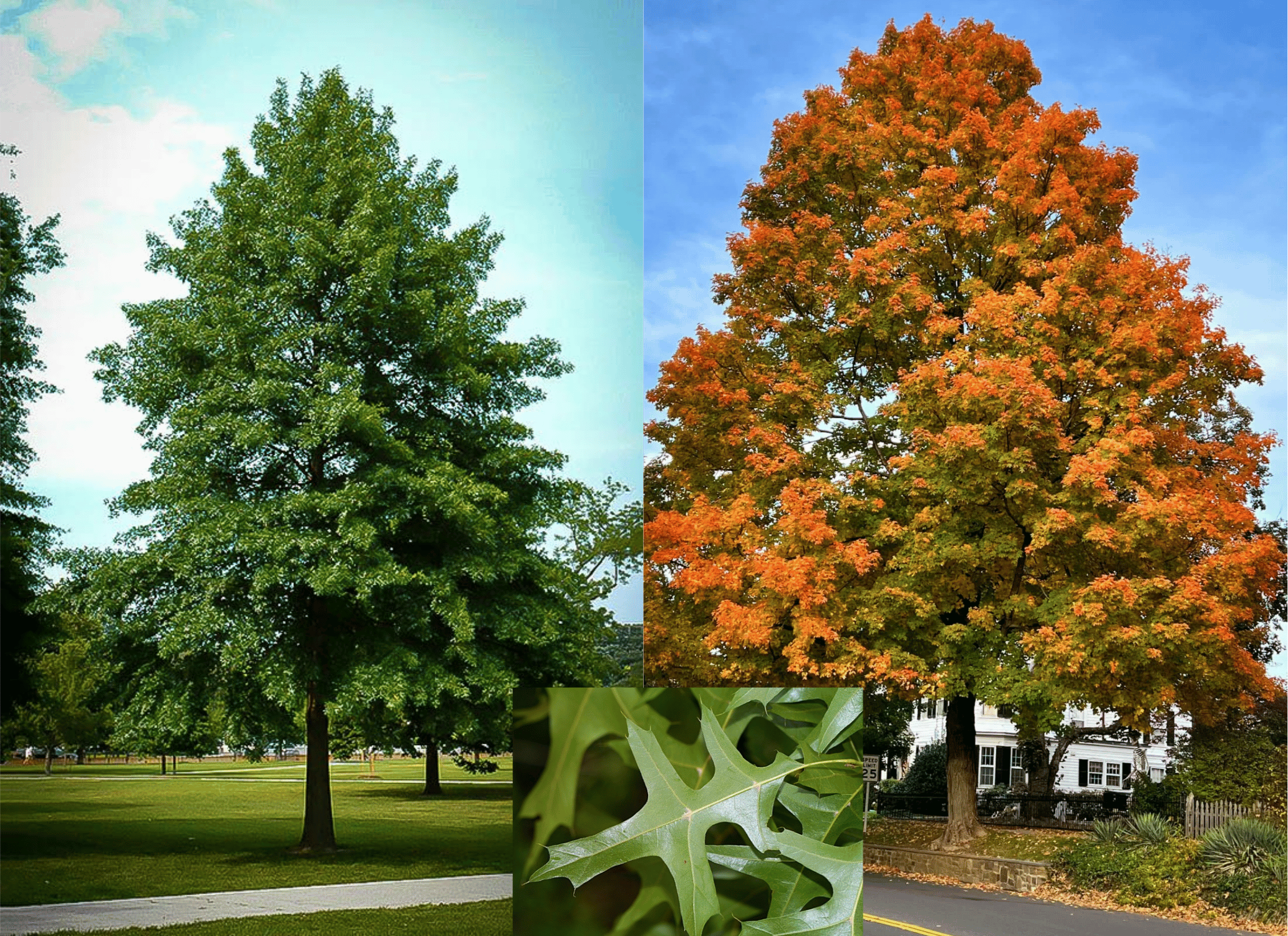
Pin Oak
Species: Quercus palustris
Size: 65 ft tall, 45 ft spread
A fast growing, native tree that provides deep shade, and is a foundational species for many native birds, insects, and mammals, providing crucial habitat. It requires full sun and has a pyramidal shape.
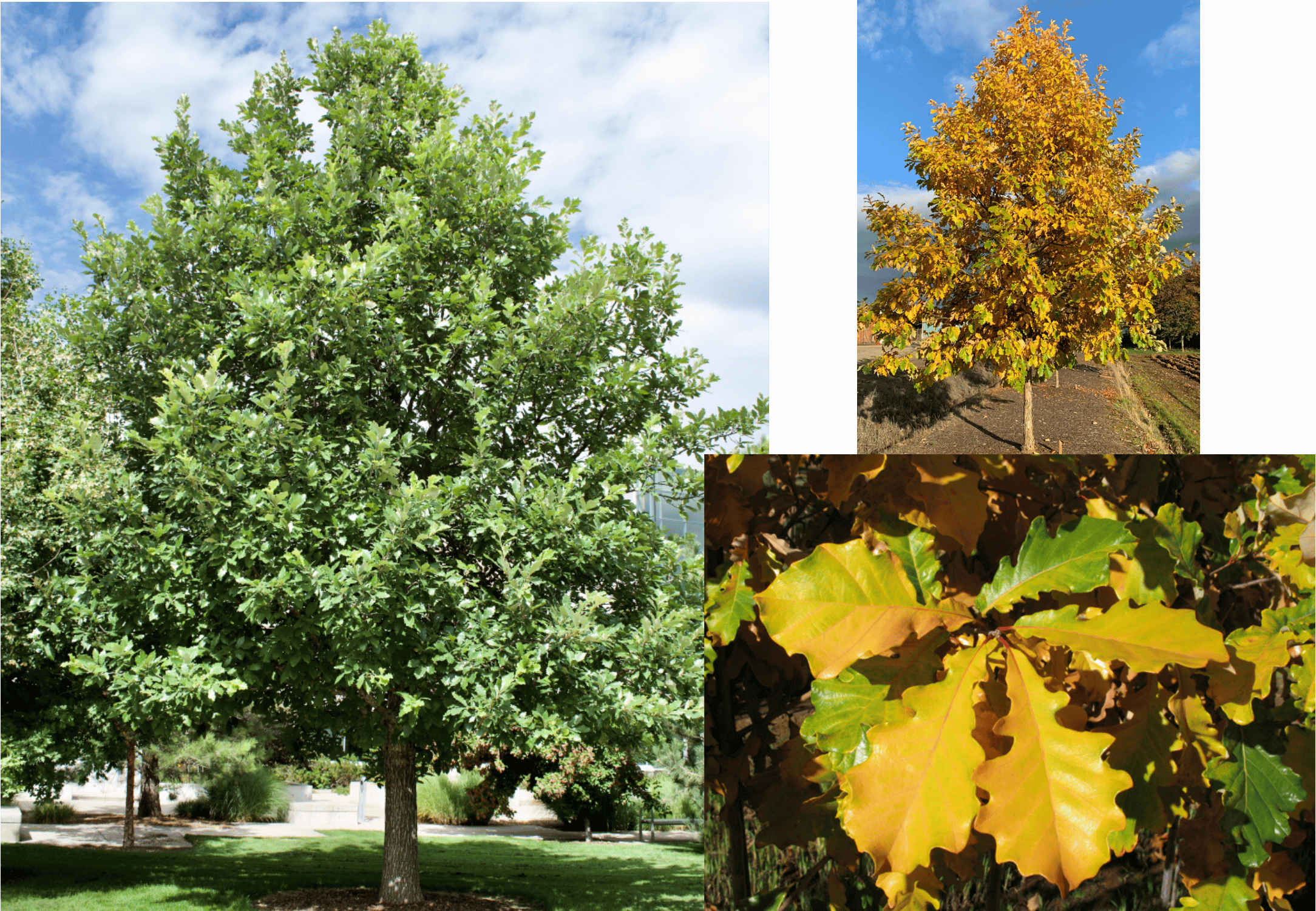
Swamp White Oak
Species: Quercus bicolor (American Dream)
Size: 50 ft tall, 40 ft spread
A native tree that provides deep shade, and is a foundational species for many native birds, insects, and mammals, improving local biodiversity. It requires full sun, has a pyramidal shape and moderate growth rate. The American Dream cultivar has especially uniform branching and is more disease resistant.
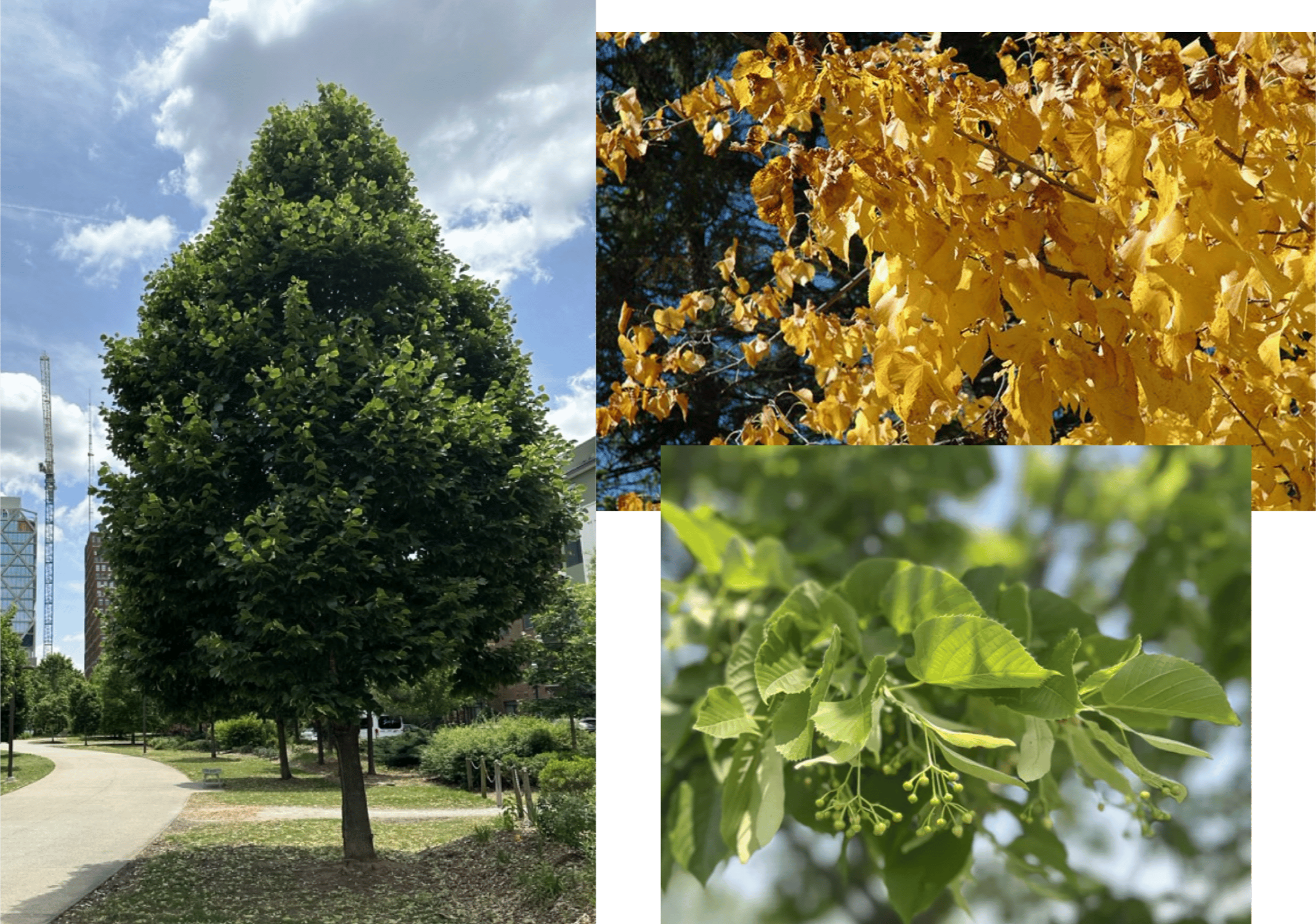
American Linden
Species: Tilia americana (Redmond)
Size: 50 ft tall, 30 ft spread
Also known as the Basswood, the American Linden is a native tree that provides shade and attracts pollinators in the summer with its fragrant and showy pale yellow flowers, thriving in partial-full sun. The Redmond cultivar has a more uniformly pyramidal growth form and is a bit smaller than the straight native species.
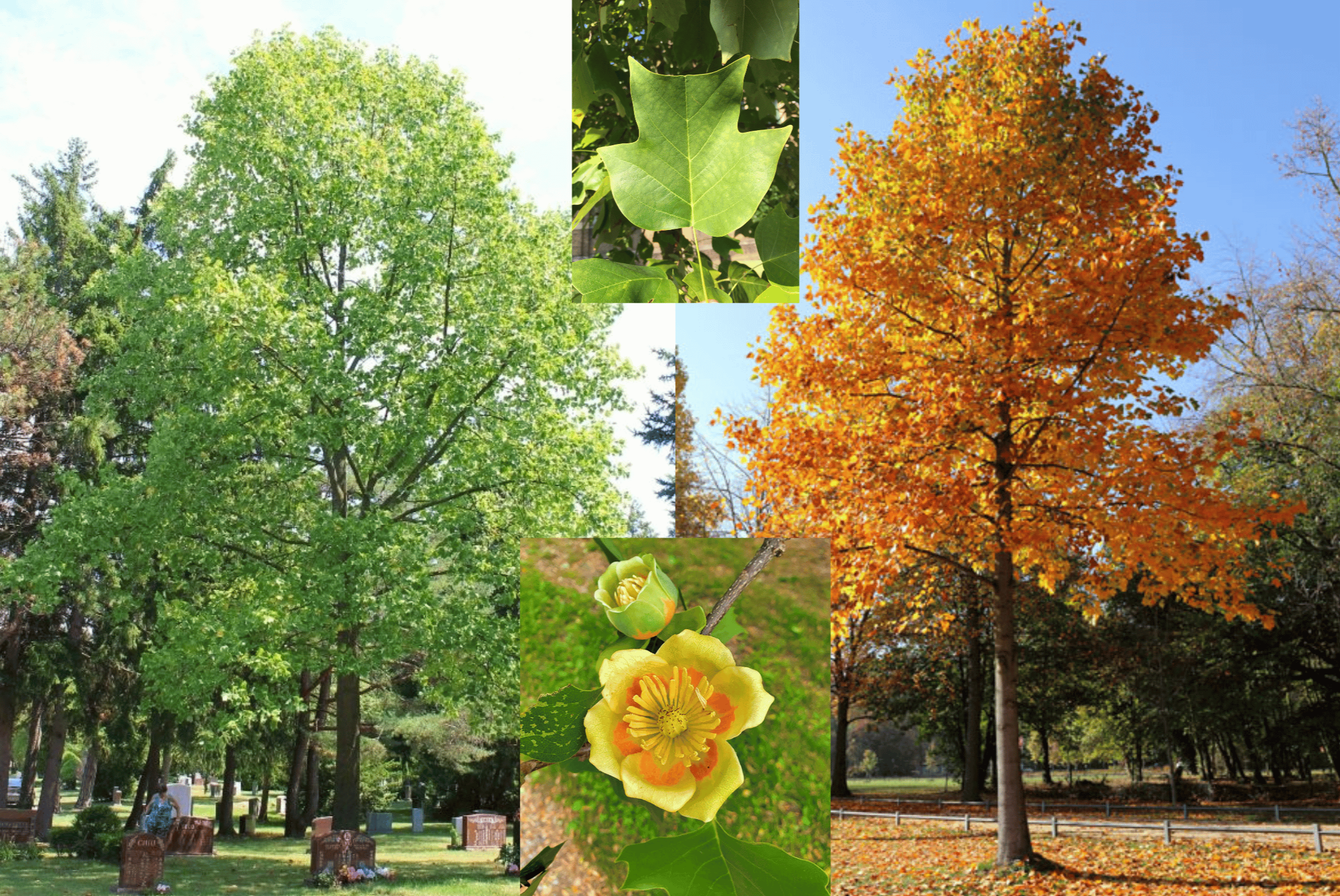
Tuliptree
Species: Liriodendron tulipifera
Size: 80 ft tall, 40 ft spread
One of the tallest, native trees in North America! The tuliptree is fast growing, provides shade and habitat, and has attractive features across 3 seasons. In the spring, it has beautiful tulip-shaped flowers that attracts a variety of pollinators, in the summer, it has broad, uniquely shaped leaves, and it turns a golden color in the fall.
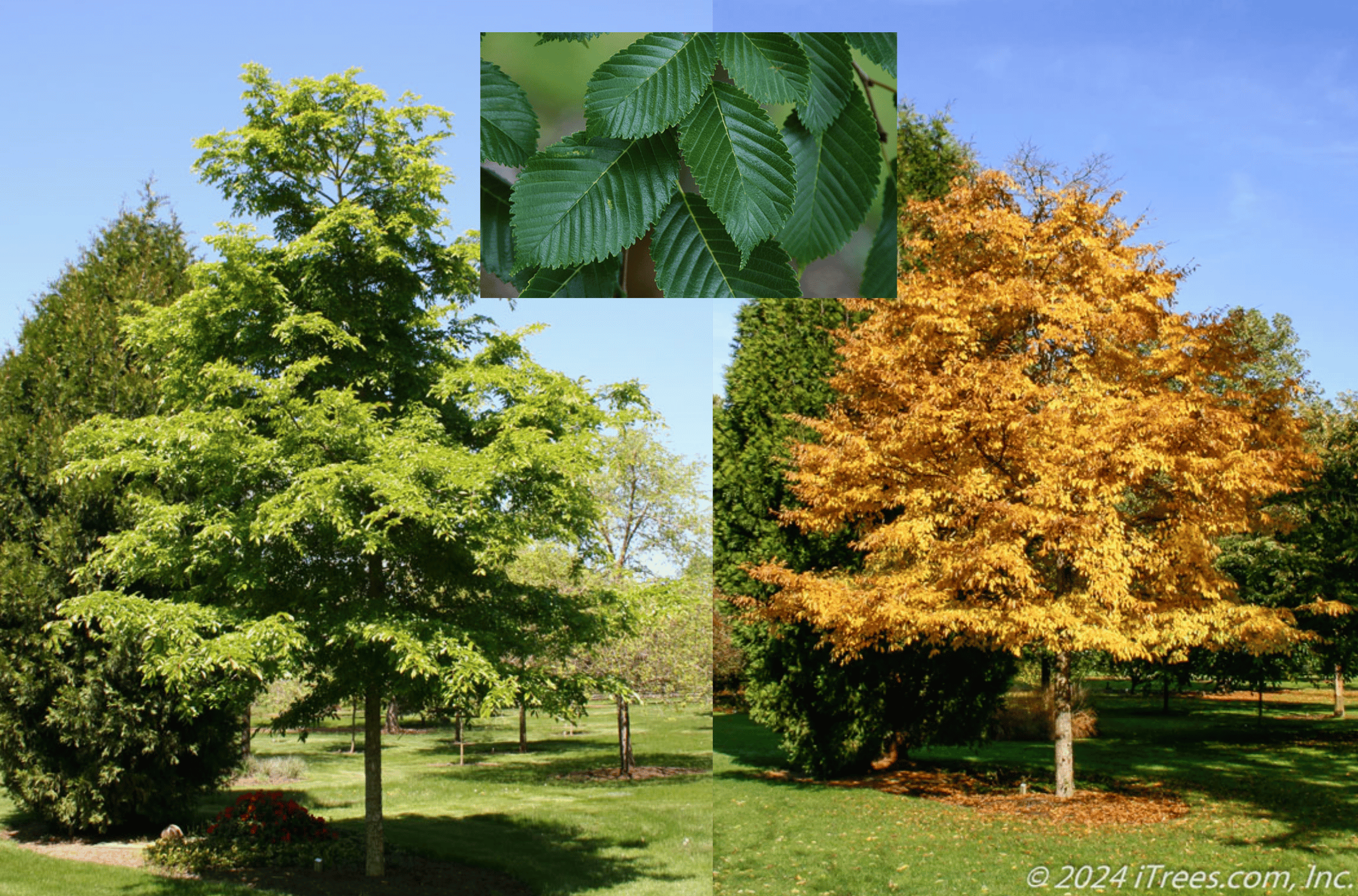
Accolade Elm
Species: Ulmus 'Accolade'
Size: 50 ft tall, 35 ft spread
A fast growing non-native tree providing shade, and bright yellow foliage in the fall. The Accolade Elm is bred to be more disease and pest resistant than other varieties, as well as drought tolerant, making it better suited for urban conditions.
Medium Trees
Not everyone has space for a large tree, so planting a medium-sized tree is the next best option. Several of these trees also provide shade, habitat, and/or flowers to attract pollinators.
American Hornbeam
Species: Carpinus caroliniana
Size: 30 ft tall, 25 ft spread
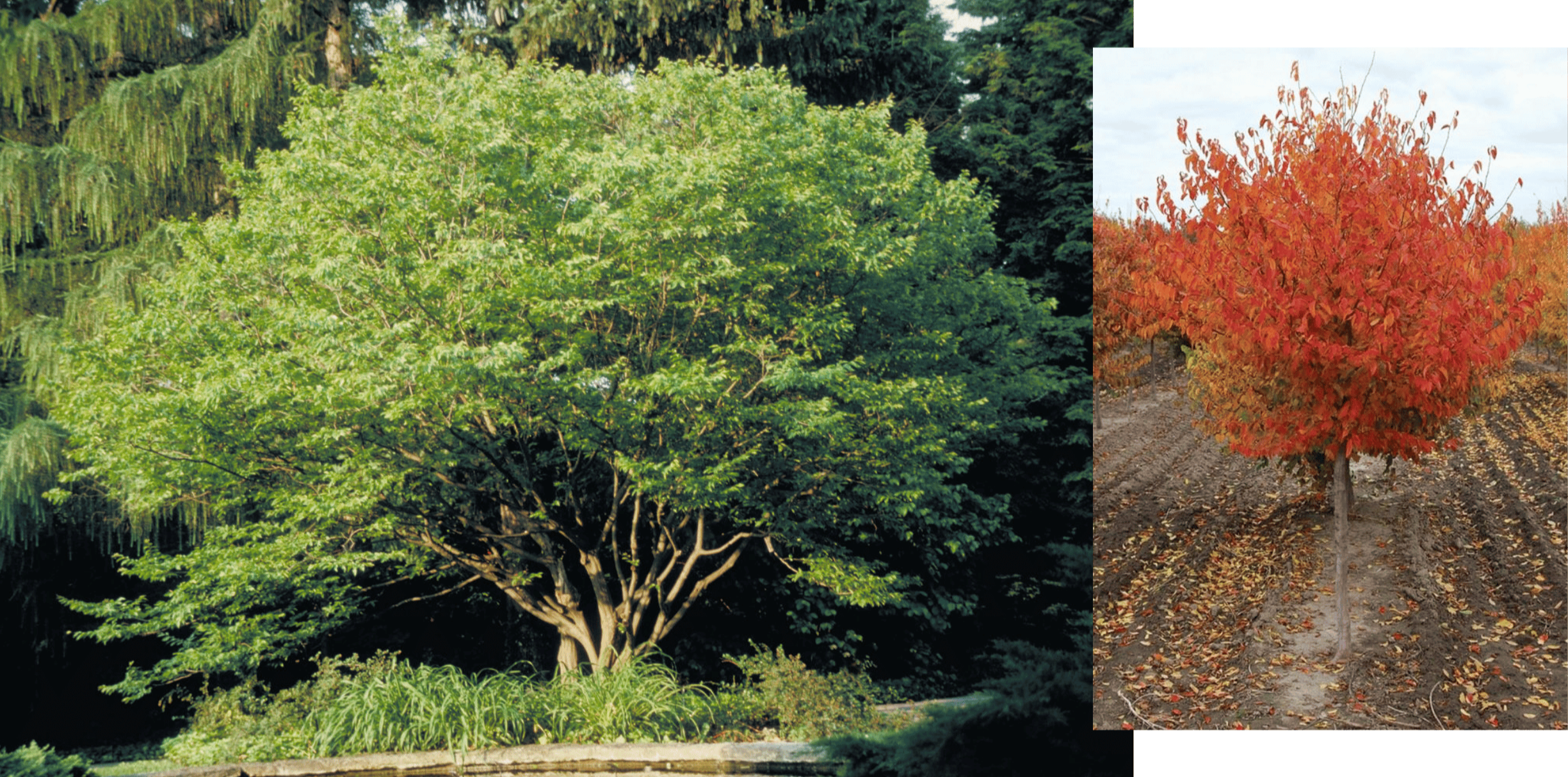
A slow-growing native tree with big leaves that provides shade, even as a medium sized tree. It has an upright and spreading shape, grows well in partial-full light conditions, and turns into a kaleidoscope of yellow, orange and red in the fall.
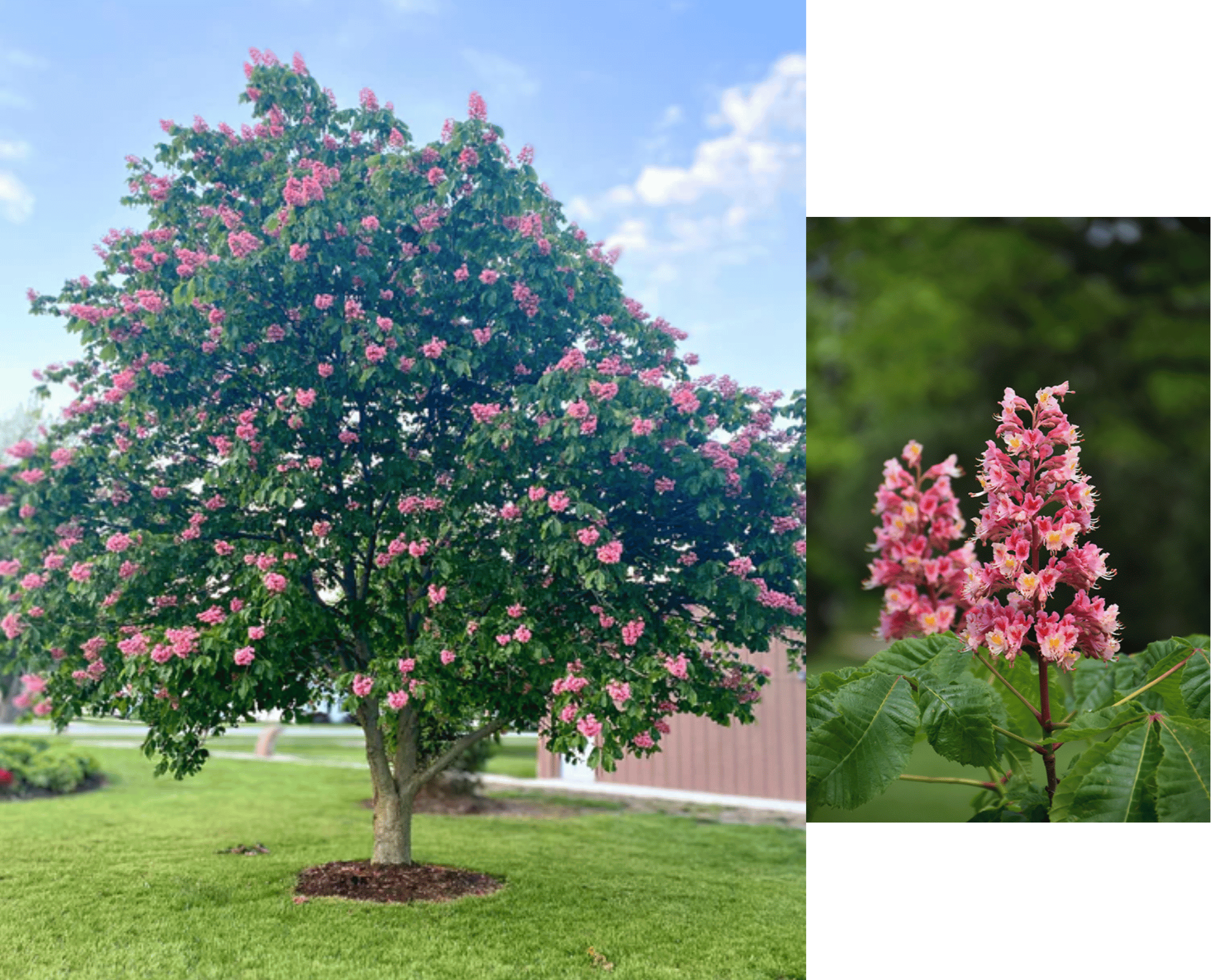
Fort McNair Horsechestnut
Species: Aesculus × carnea 'Fort McNair’
Size: 35 ft tall, 30 ft spread
A non-native compact tree with large pink-red showy flowers in the spring that attracts hummingbirds and other pollinators. An excellent shade tree that also turns yellow in the fall and grows best in partial-full sun.
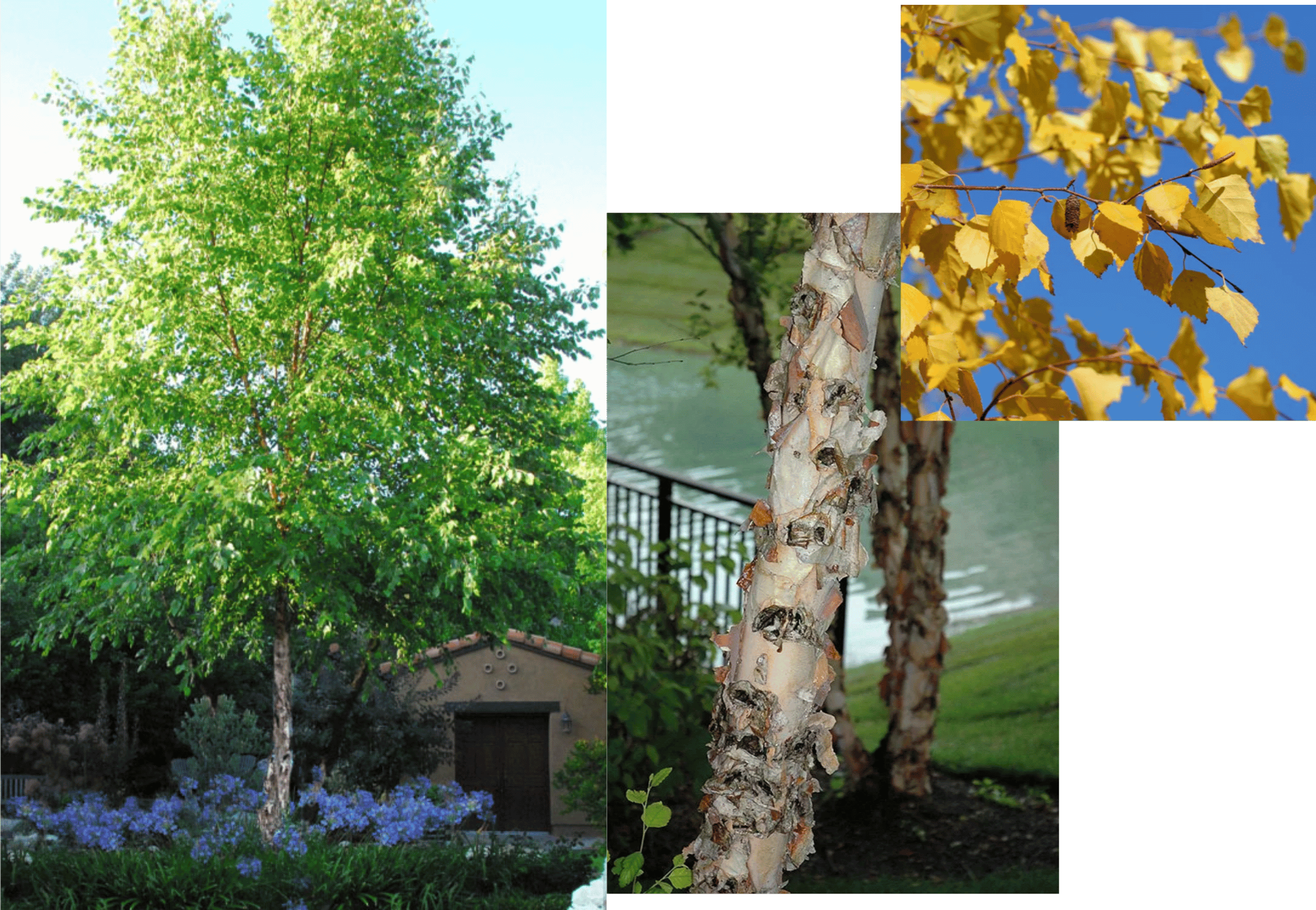
River Birch
Species: Betula Nigra ‘Heritage’
Size: 45 ft tall, 30 ft spread
A fast growing native tree with thin leaves, providing sparse canopy but good habitat. It has attractive bark, turns yellow in the fall, and needs full sun conditions. The River Birch does well in wet soil, and this cultivar is more heat tolerant.
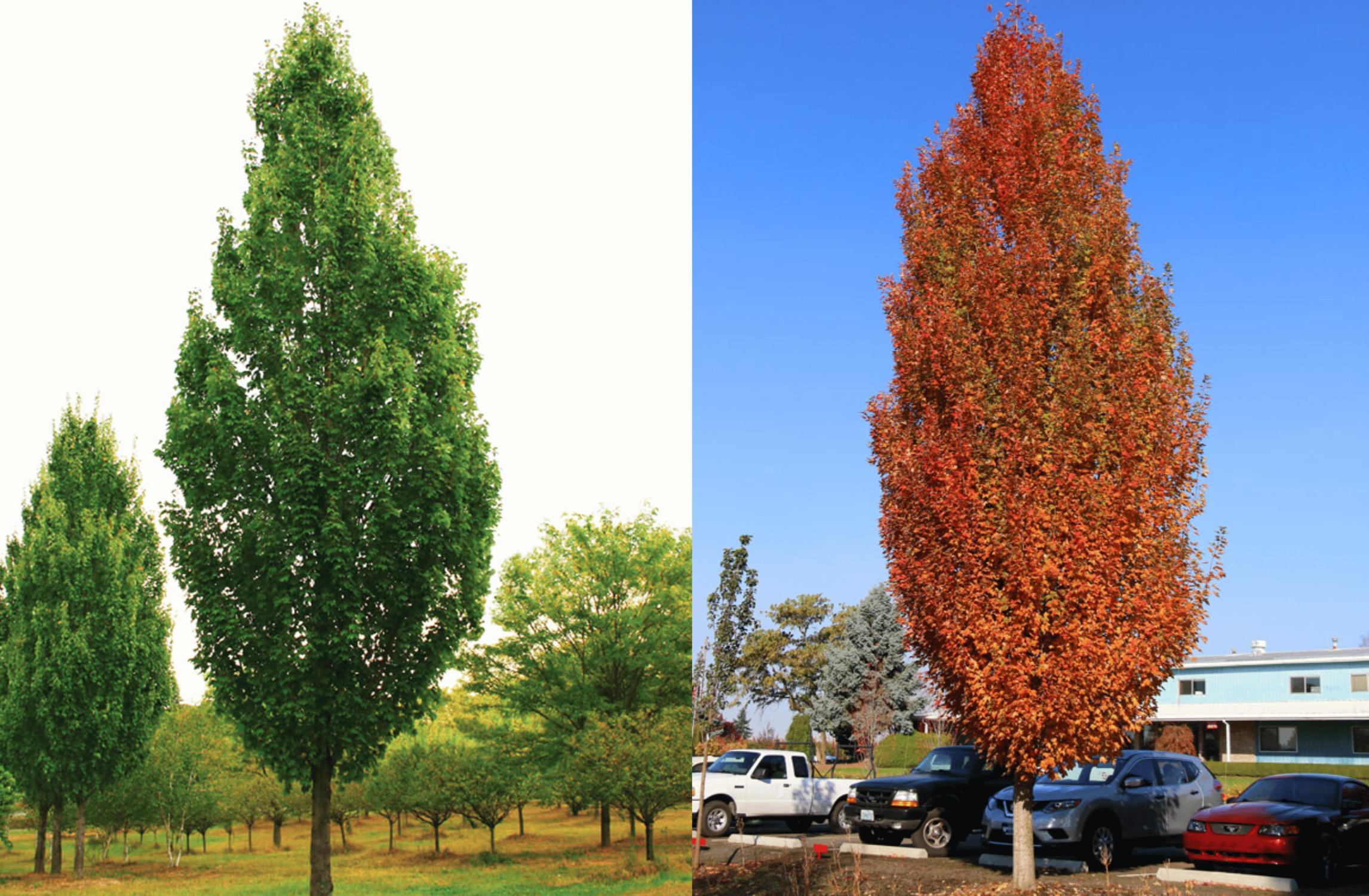
Armstrong Maple
Species: Acer rubrum 'Armstrong'
Size: 50 ft tall, 15 ft spread
This is an extremely narrow cultivar of a red maple crossed with silver maple, making it suitable for tight spaces. It is fast growing, requires full sun, and turns red-yellow in the fall. While not providing as much shade as the straight species, it still has large maple leaves providing some shade.
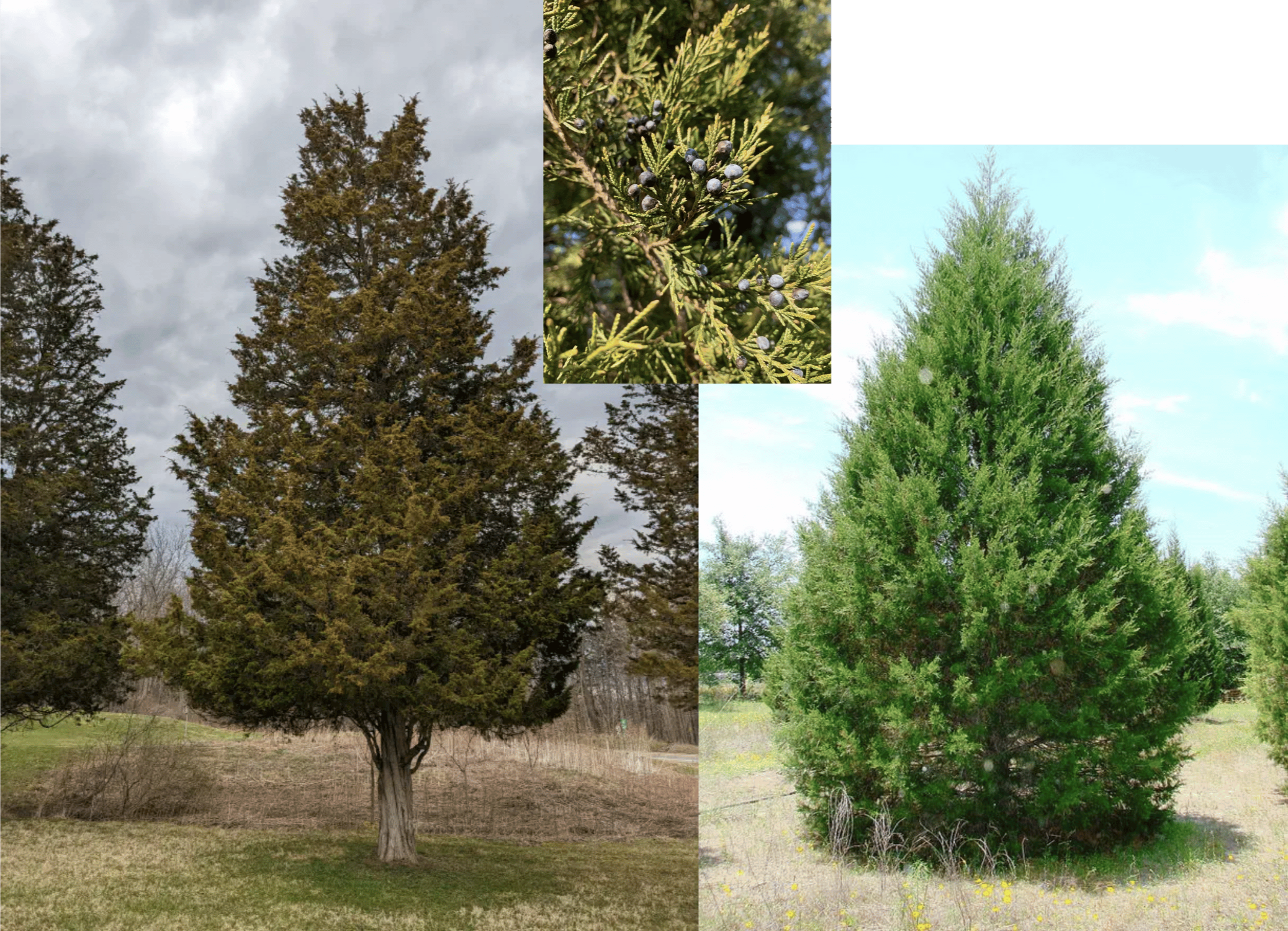
Eastern Red Cedar
Species: Juniperus virginiana
Size: 40 ft tall, 15 ft spread
A columnar native evergreen tree that acts as a windbreaker and privacy hedge, and also provides habitat and food for wildlife in the winter. The Eastern Red Cedar is resilient to extreme temperatures, poor soil conditions, and salt. Requires full sun.
Note: We have limited availability and only container grown, so it may be smaller in starting size (2’-4’).
Small Trees
We only plant small trees when absolutely necessary and the site cannot accommodate larger trees, and we especially prioritize planting these in low-canopy neighborhoods. All of our small trees offer biodiversity support by attracting native pollinators or by providing edible berries.
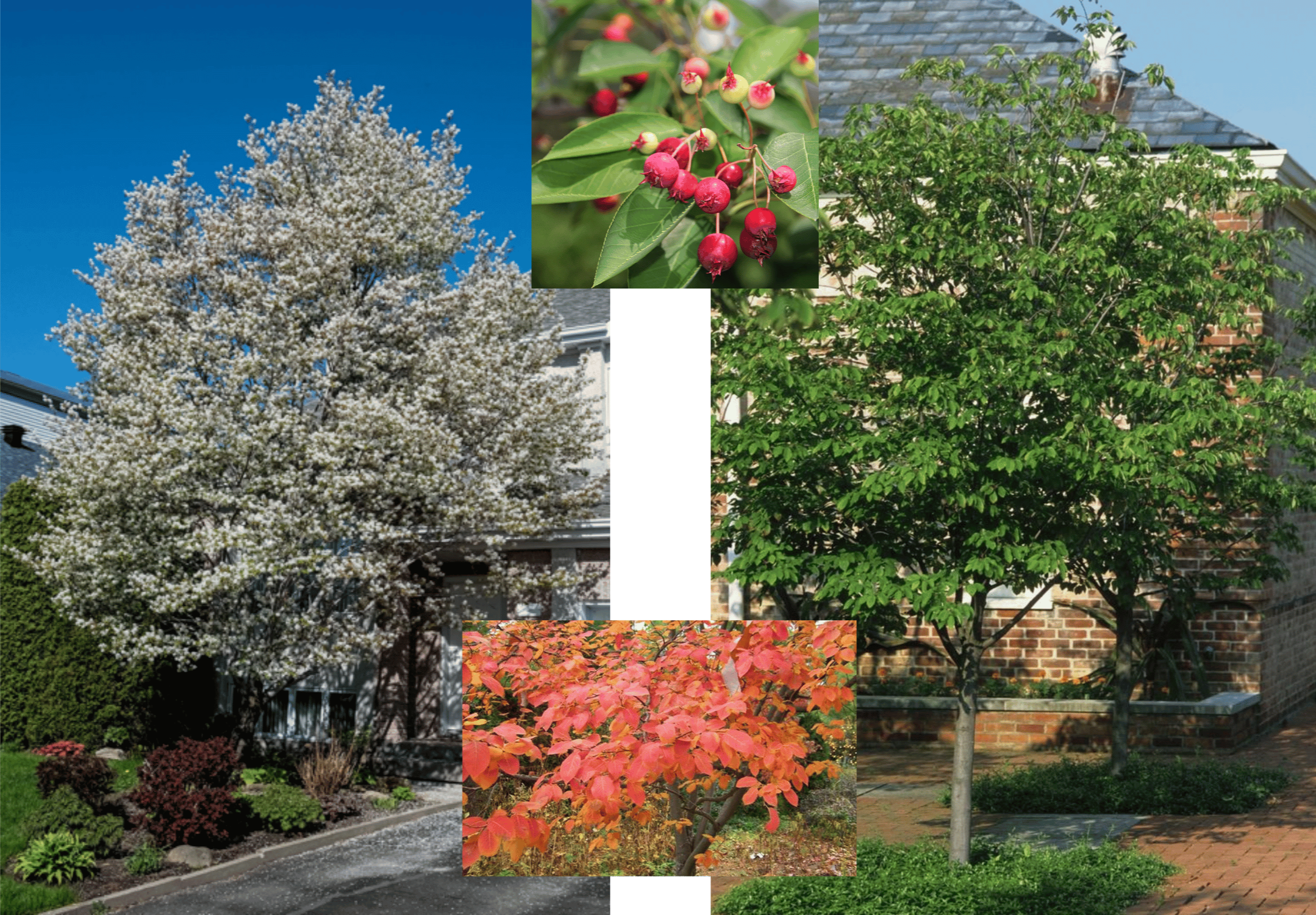
Cumulus Serviceberry
Species: Amelanchier laevis ‘Cumulus’
Size: 20 ft tall, 15 ft spread
A small native understory tree that has early blooming white flowers in the spring, edible juneberries in the summer, and red/orange coloration in the fall that provides food to birds and other wildlife. Thrives in partial sun conditions.
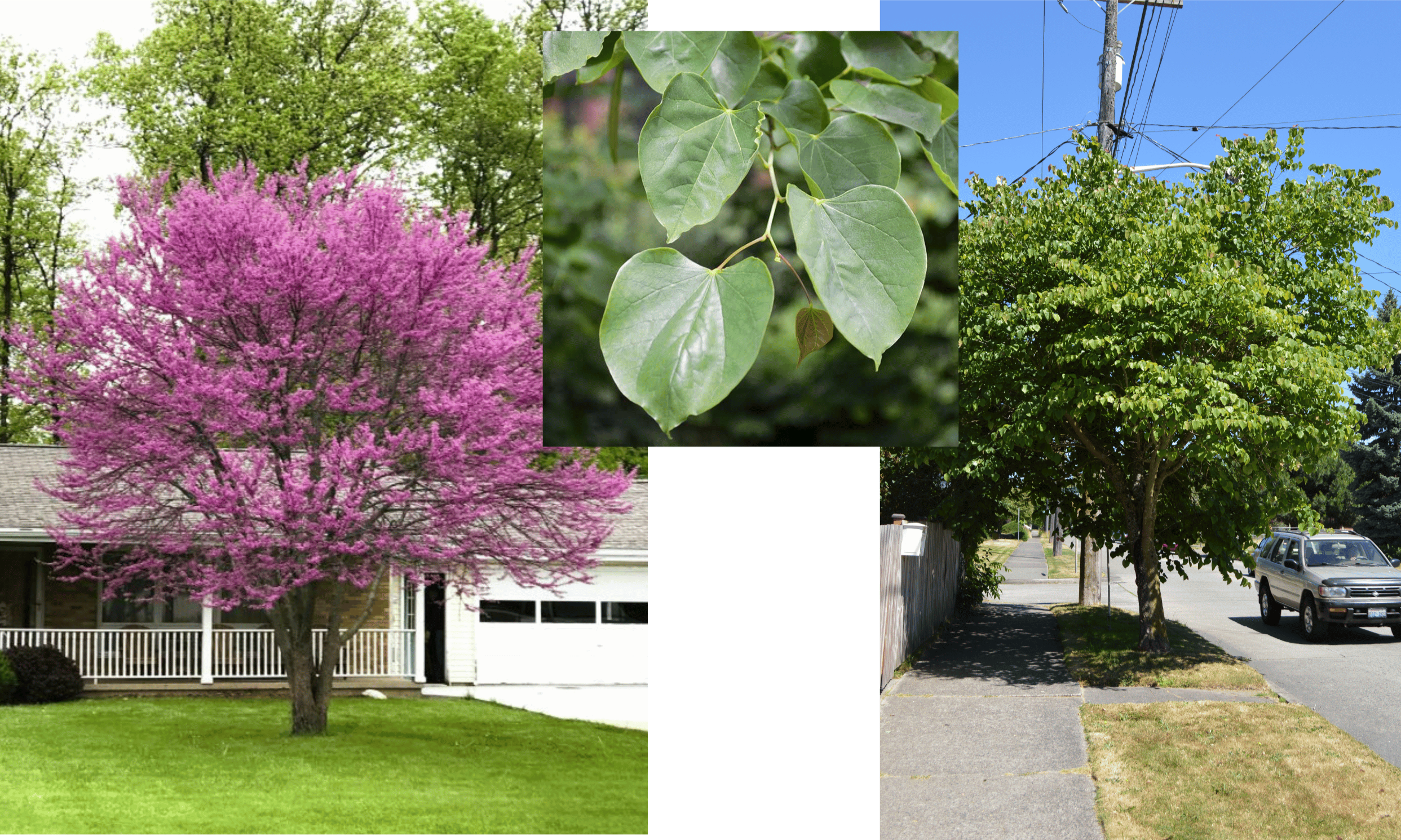
Eastern Redbud
Species: Cercis canadensis
Size: 20 ft tall, 15 ft spread
A small, native understory tree, the Eastern Redbud produces purplish-pink flowers in early spring, and has large, heart-shaped leaves. It thrives in partial-full sun, has a moderate to fast growth rate, and is often multi-stemmed and low branching in structure. The Eastern Redbud is a relatively short lived tree with an even shorter lifespan in urban conditions.
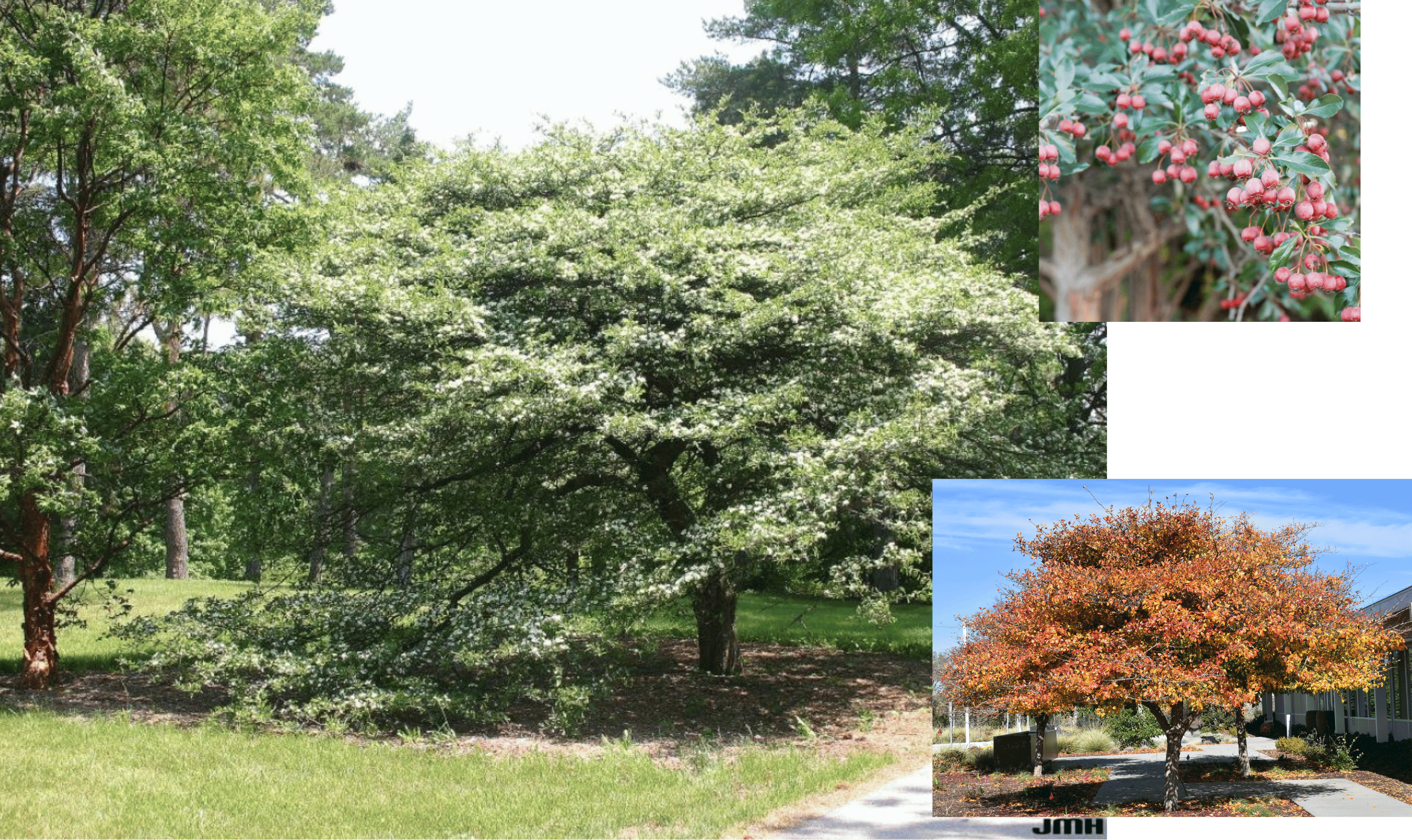
Thornless Cockspur Hawthorn
Species: Crataegus crus-galli var. inermis
Size: 25 ft tall, 35 ft spread
The Thornless Cockspur Hawthorn is a small native tree with delicate white flowers in the spring, and persistent edible fruit in the fall and winter. Growing wider than taller, it is also perfect to create privacy. It supports a variety of birds, and is drought tolerant, thriving in full sun conditions.
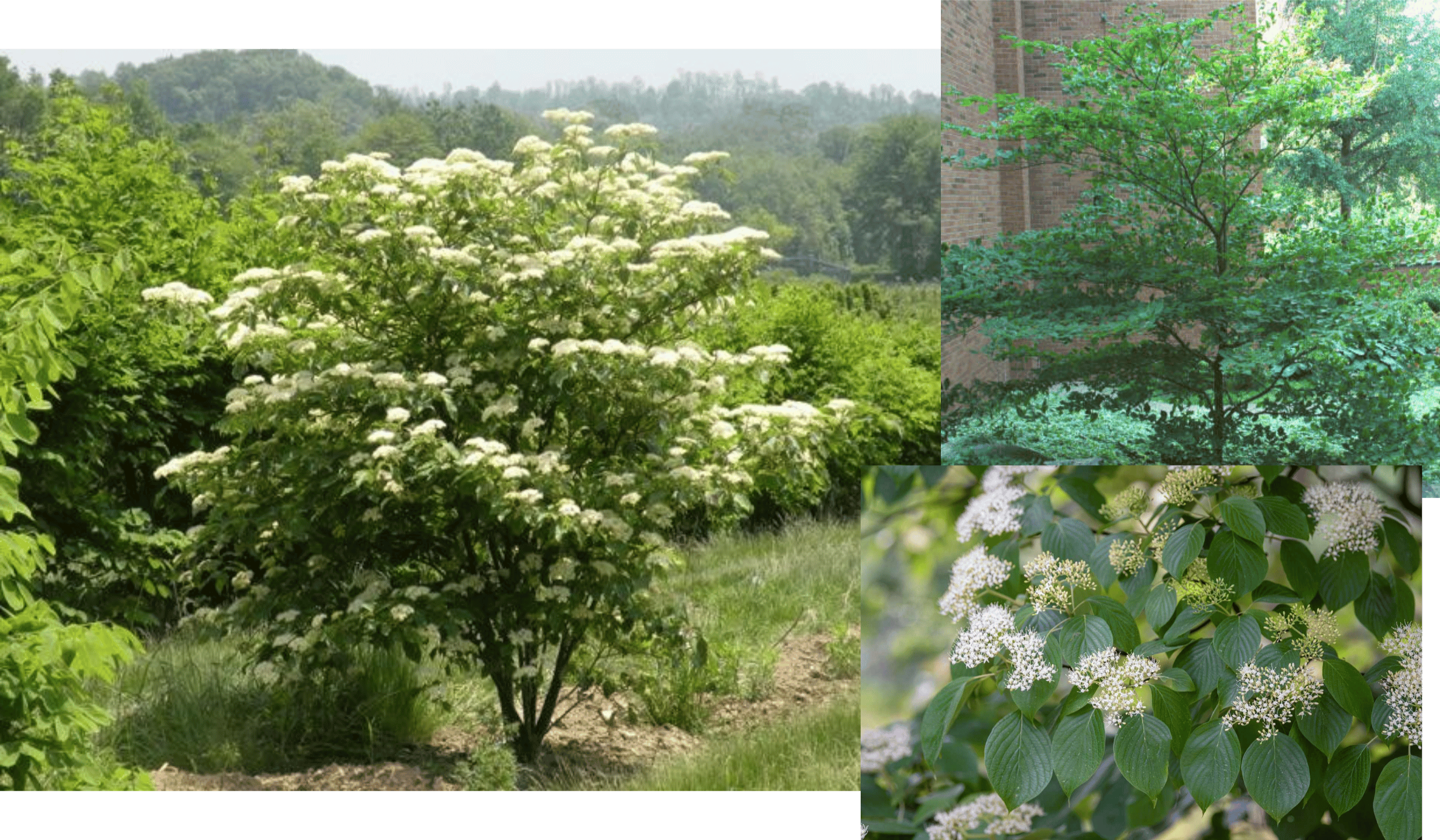
Pagoda Dogwood
Species: Cornus alternifolia
Size: 20 ft tall, 25 ft spread
A small native tree that has white flowers in the spring, and thrives in partial-full sun. This dogwood has a spreading, terraced structure and attracts native pollinators, butterflies, and birds. Note: We have limited stock and can only plant this species at a smaller size (2’-4’).
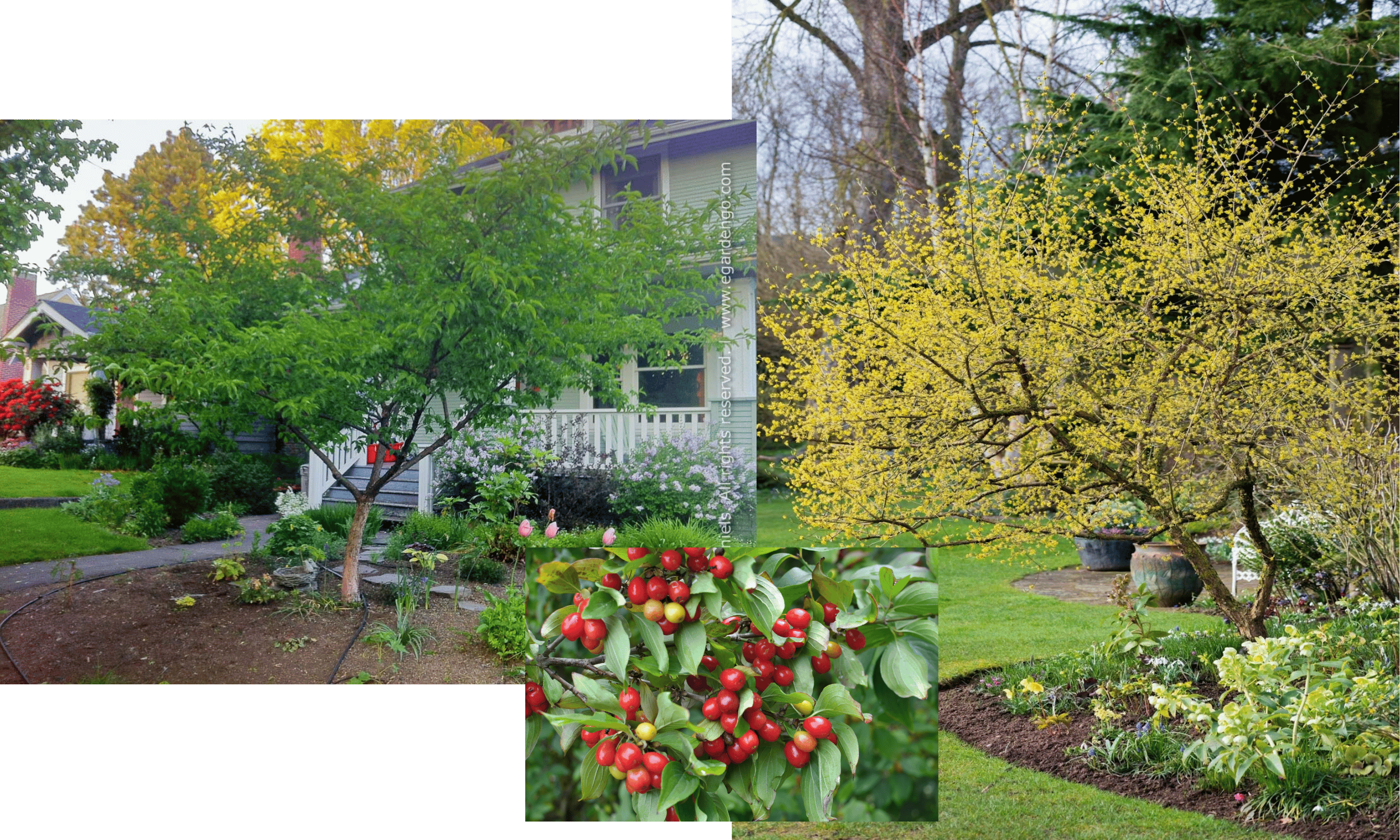
Cornelian Cherry Dogwood
Species: Cornus mas
Size: 20 ft tall, 15 ft spread
This unique non-native dogwood displays small yellow flowers early in the spring, and produces small red edible berries in the late summer, early fall. It is slow-growing, low-branching, and grows in partial-full sun conditions. It provides food to birds and attracts some pollinators.